Education has always been the foundation of progress, shaping societies, economies, and individuals. However, the rapidly changing demands of the 21st century have revealed the limitations of traditional systems. The world needs models of learning that combine timeless values with cutting-edge innovation. This is where the concept of a new school system comes into play—a transformative idea reshaping how we think about learning, teaching, and preparing for the future.
In this article, we’ll take an in-depth look at how evolving educational models are redefining classrooms, how digital transformation is bridging gaps, and why global collaboration is essential. We will also explore practical case studies, expert insights, and potential challenges to help you understand the true power of reimagining education for the modern world.
Nova Scola and the Transformation of Learning
The Need for Change
For centuries, education relied on lecture-based teaching, standardized exams, and rigid hierarchies. While effective in certain contexts, these structures no longer match the demands of a world driven by technology, creativity, and global interaction. Employers today seek critical thinkers, problem-solvers, and innovators—skills that often go underdeveloped in conventional classrooms.
Core Elements of Educational Transformation
Modern models focus on:
- Student-centered learning: Emphasizing personalized pathways instead of one-size-fits-all approaches.
- Interdisciplinary education: Blending sciences, arts, and digital literacy.
- Collaborative classrooms: Encouraging peer-to-peer learning and teamwork.
- Global awareness: Instilling cultural competence and international perspectives.
This shift illustrates the core principle of education evolving into a more flexible, inclusive, and dynamic framework.
Nova Scola and Digital Innovation
Technology as a Driver of Change
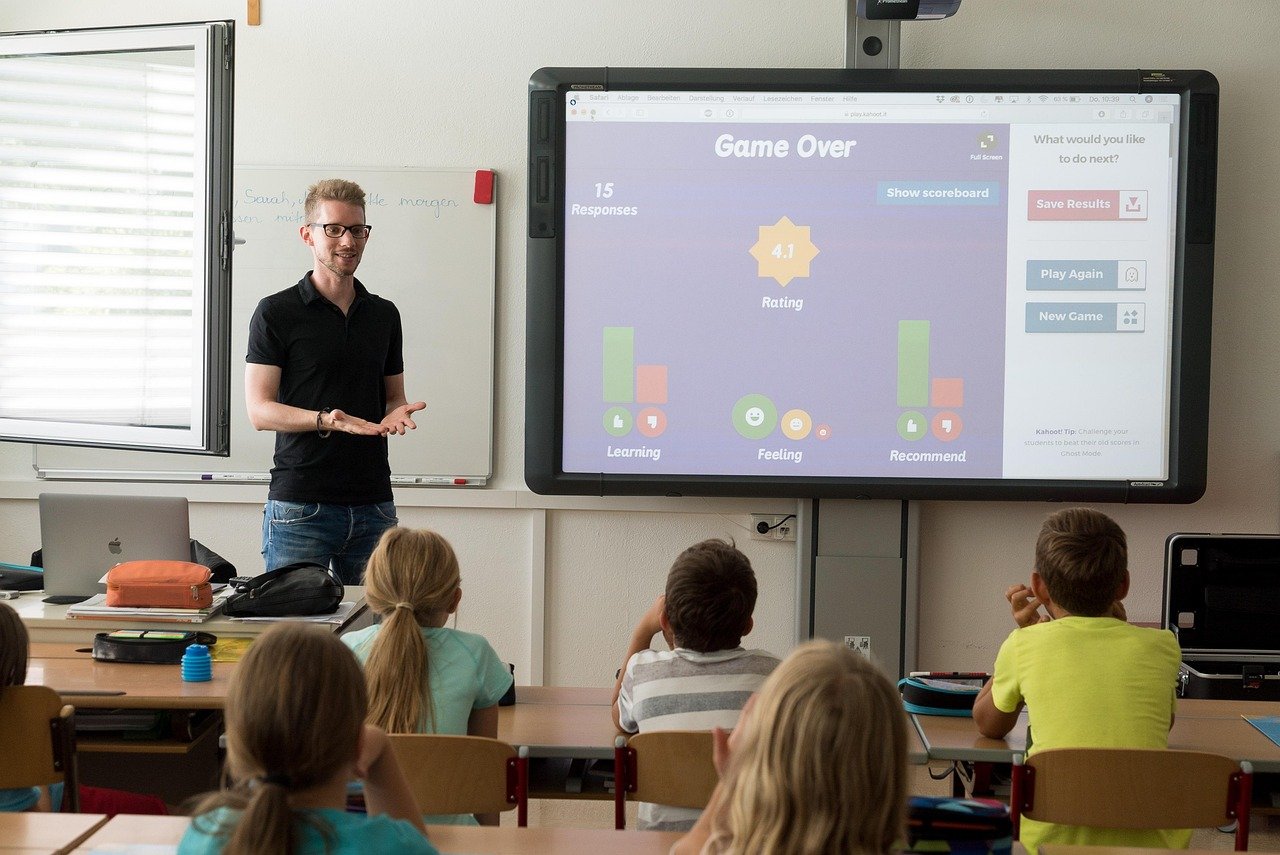
Digital tools are no longer optional; they are fundamental to the future of education. From virtual classrooms to artificial intelligence-powered tutors, the landscape has been transformed.
Some major technologies influencing the classroom include:
- Learning Management Systems (LMS): Platforms like Moodle or Canvas streamline assignments, grading, and communication.
- Artificial Intelligence: Adaptive learning programs tailor content to each student’s progress.
- Virtual & Augmented Reality: Bringing complex subjects like history or science to life with immersive experiences.
- Gamification: Enhancing engagement through rewards, challenges, and interactive platforms.
Case Study: Remote Learning Revolution
The pandemic accelerated digital adoption globally. Schools that embraced technology thrived, while those resisting faced serious setbacks. This highlights the importance of integrating digital innovation into the core of modern education.
Nova Scola and Holistic Development
Beyond Academics
Modern education is about more than memorization. It emphasizes the development of emotional intelligence, resilience, and adaptability. Key aspects include:
- Social-emotional learning: Building empathy, self-awareness, and conflict resolution skills.
- Creative expression: Encouraging arts, design thinking, and innovation.
- Physical wellness: Recognizing the connection between health and academic performance.
Preparing Students for Life
By teaching skills like financial literacy, critical thinking, and entrepreneurship, education models aim to create not just good students, but capable citizens prepared for real-world challenges.
Nova Scola and Global Perspectives
International Collaboration
Today’s learners are global citizens. Schools across countries are partnering to provide cross-border programs, cultural exchanges, and virtual classrooms where students interact with peers worldwide.
Importance of Cultural Awareness
In a globalized world, understanding cultural diversity is essential. Education models that incorporate language studies, international history, and global ethics prepare learners to thrive in multicultural workplaces and societies.
Nova Scola and Teacher Empowerment
The Role of Educators
Teachers remain at the heart of any educational model. However, their role has shifted from being mere knowledge providers to facilitators, mentors, and guides.
Professional Development
To empower educators:
- Continuous training in new technologies and teaching methods is essential.
- Collaborative learning communities allow teachers to share ideas and best practices.
- Well-being programs ensure teachers remain motivated and inspired.
Investing in educators ultimately ensures stronger, more effective classrooms.
Nova Scola and Sustainable Education
Environmental Responsibility in Schools
Sustainability is becoming a core value. Schools now focus on eco-friendly practices such as green buildings, reduced paper usage, and energy conservation.
Teaching for Sustainability
Students are introduced to climate science, renewable energy, and sustainable development goals (SDGs). This prepares them not only academically but also as responsible stewards of the planet.
Nova Scola and Community Engagement
The Importance of Partnerships
Education cannot exist in isolation. Collaboration with parents, local businesses, and civic organizations strengthens school systems. Programs like apprenticeships, community service, and real-world projects bridge the gap between classrooms and society.
Building Lifelong Learners
By encouraging curiosity and self-directed learning, schools ensure that education extends beyond graduation, fostering a culture of continuous growth.
Nova Scola and Future Challenges
Barriers to Adoption
Despite its benefits, implementing innovative education models faces challenges such as:
- Funding limitations in under-resourced regions.
- Resistance to change from traditional institutions.
- Digital divides affecting rural and low-income communities.
The Road Ahead
Overcoming these obstacles requires collaborative efforts between governments, educators, and private stakeholders. Investment in infrastructure, teacher training, and equitable access will be key.
Conclusion
Reimagining education is not just about new methods; it’s about redefining the purpose of learning itself. The vision of modern education is one that empowers individuals, nurtures creativity, and equips future generations with the skills needed to thrive in an uncertain world. By embracing holistic development, digital transformation, and global perspectives, the path ahead is filled with promise.
The conversation about the future of education is ongoing, and every stakeholder—students, teachers, parents, policymakers, and communities—has a role to play. The challenge is significant, but the rewards of building a system that is inclusive, sustainable, and forward-thinking are far greater.
FAQs
1. What makes nova scola different from traditional schools?
It emphasizes personalized learning, digital integration, and holistic development rather than standardized, rigid approaches.
2. How does nova scola use technology in education?
It integrates tools like AI, virtual reality, and learning platforms to enhance interactivity and adapt learning paths.
3. Can nova scola work in developing countries?
Yes, with proper infrastructure and government support, it can bridge educational gaps and improve access.
4. Does nova scola focus only on academics?
No, it includes emotional intelligence, creativity, physical health, and global awareness as core components.
5. What role do teachers play in nova scola?
Teachers act as mentors and facilitators, guiding students toward personalized learning goals.
6. How does nova scola address sustainability?
It promotes eco-friendly practices and educates students about environmental responsibility.
7. What are the main challenges in adopting nova scola?
Funding, digital inequality, and institutional resistance remain the biggest obstacles.