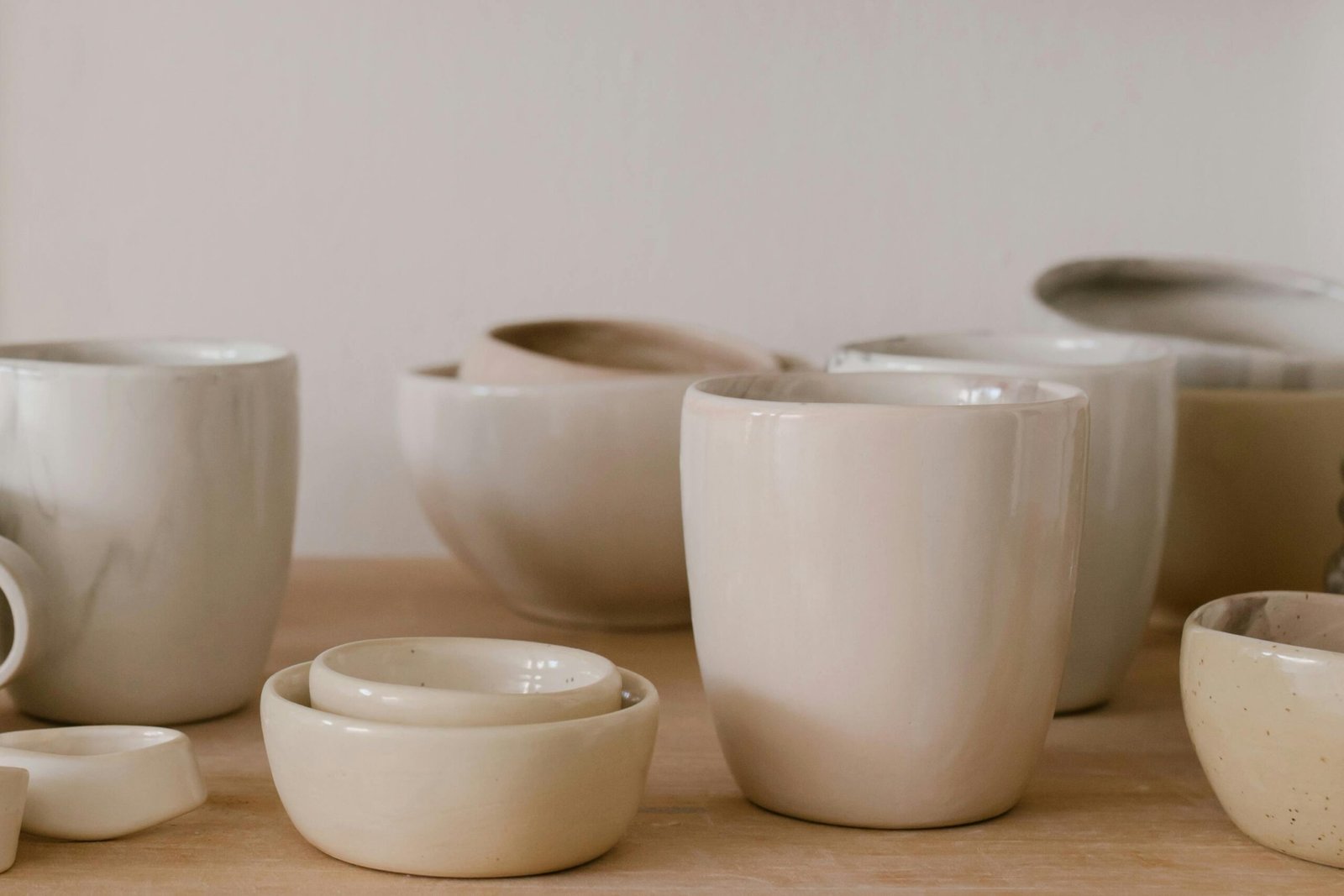
Choosing the right materials is crucial in interior design. Among the most innovative options today is Sodiceram, a ceramic solution that blends traditional craftsmanship with modern technology. Known for durability, aesthetic versatility, and eco-conscious production, it is reshaping how floors, walls, and surfaces are designed in residential, commercial, and industrial environments.
With the rise of modern architecture and interior trends, selecting materials that combine longevity with design flexibility has become more important than ever. Sodiceram meets these demands, offering tiles that are both functional and visually appealing.
What Makes Sodiceram Special?
Sodiceram is a unique ceramic material enhanced with sodium-based compounds. This integration strengthens the material, improves thermal resistance, and enhances chemical durability. The result is a product suitable for challenging environments—from kitchens and bathrooms to offices and laboratories.
Its versatility allows interior designers and homeowners to experiment with creative layouts without compromising on functionality. Unlike ordinary ceramics, Sodiceram provides a balance between performance, style, and sustainability.
Historical Development
Origins
emerged in the early 1990s when a group of artisans and scientists sought to create a material combining traditional aesthetics with modern performance. Their goal was to overcome common issues in ceramics, such as cracking, chipping, or color fading over time.
Technological Innovations
uniqueness lies in its sodium-based enhancements, which provide:
- Improved structural integrity for long-lasting tiles
- Enhanced thermal stability, allowing tiles to withstand temperature fluctuations
- Chemical resistance suitable for industrial and laboratory applications
- Better glaze adhesion for long-lasting finishes
This combination of properties allows Sodiceram to outperform traditional ceramics in almost every aspect.
Core Features
1. Exceptional Durability
Tiles are engineered for high-traffic areas. They withstand heavy footfall in commercial spaces, busy kitchens, or office corridors without showing wear. Their reinforced structure reduces the risk of cracking or chipping over time, making them a practical choice for long-term installations.
2. Thermal and Chemical Resistance
Due to its advanced composition, Sodiceram handles:
- Heat fluctuations in kitchens and industrial environments
- Exposure to common chemicals found in laboratories or cleaning solutions
- Extreme temperatures in outdoor applications
This makes Sodiceram suitable for areas where ordinary tiles would degrade quickly.
3. Wide Aesthetic Range
One of the strongest appeals of Sodiceram is its design versatility. It offers:
- A broad palette of colors
- Multiple textures from matte to glossy
- Various finishes that can mimic natural stone, wood, or concrete
This flexibility makes it possible to integrate Sodiceram into minimalist modern interiors, traditional designs, or avant-garde spaces.
4. Sustainability Focus
Emphasizes environmentally responsible production:
- Reduces water and energy consumption during manufacturing
- Uses recyclable raw materials
- Minimizes waste in production processes
Investing in Sodiceram supports sustainability while providing a high-quality material for interiors and exteriors alike.
Applications Across Spaces
Residential Spaces
An ideal choice for homes due to its durability and aesthetic variety:
- Kitchens: Backsplashes, countertops, and flooring that resist heat and spills
- Bathrooms: Waterproof, chemical-resistant tiles suitable for showers and vanities
- Living Areas: Floors and accent walls that combine style and functionality
Commercial Spaces
Businesses benefit from Sodiceram’s durability and easy maintenance:
- Retail Stores: Stylish floors that withstand heavy foot traffic
- Restaurants: Hygienic and heat-resistant tiles for kitchens and dining areas
- Offices: Professional appearance with low maintenance requirements
Industrial Settings
Sodiceram is perfect for demanding environments:
- Laboratories: Chemical resistance ensures safety
- Factories: High-strength tiles withstand heavy machinery
- Hospitals: Easy-to-clean surfaces for sterile environments
Comparing Sodiceram with Traditional Ceramics
| Feature | Sodiceram | Traditional Ceramics |
| Durability | High | Moderate |
| Thermal Resistance | Excellent | Low to Moderate |
| Chemical Resistance | High | Low |
| Aesthetic Options | Wide Range | Limited |
| Sustainability | Eco-friendly | Varies |
This comparison demonstrates why Sodiceram is preferred for projects requiring strength, performance, and aesthetic adaptability.
Installation and Care
Installation Guidelines:
- Surface Preparation: Ensure walls and floors are clean, dry, and even
- Adhesives: Use products designed for ceramics to ensure proper adhesion
- Grouting: Allow the adhesive to cure fully before applying grout
Maintenance Tips:
- Clean regularly with mild detergent and water
- Seal grout lines to prevent stains and moisture penetration
- Inspect periodically for any chips or cracks and repair immediately
Case Study: Transforming a Modern Kitchen
A luxury kitchen renovation utilized Sodiceram tiles for flooring and backsplash. The material’s thermal stability allowed installation near ovens, while the broad color and texture options matched the contemporary aesthetic.
Outcome: A kitchen that is functional, easy to maintain, and visually stunning—showcasing how merges performance with design.
Future Outlook
Sodiceram continues to evolve with a focus on:
- Innovative materials research to improve strength and finishes
- Global expansion for availability in international markets
- Enhanced sustainability practices to further reduce environmental impact
Its ongoing commitment ensures remains a top choice for architects, designers, and homeowners.
Frequently Asked Questions (FAQs)
1. What differentiates Sodiceram from other ceramics?
Its sodium-enhanced composition provides superior durability, thermal and chemical resistance, and versatile design options.
2. Can Sodiceram be used outdoors?
Yes, it can withstand weathering, making it suitable for patios and building facades.
3. Is Sodiceram environmentally responsible?
Yes, production emphasizes energy efficiency, waste reduction, and recyclable materials.
4. How should I clean Sodiceram tiles?
Regular cleaning with mild detergent and water is sufficient; harsh chemicals should be avoided.
5. Where can Sodiceram products be purchased?
Available through authorized dealers, distributors, or the official website.
6. Is Sodiceram suitable for high-traffic areas?
Yes, its high durability makes it perfect for both residential and commercial high-traffic zones.
7. Can Sodiceram tiles be used in industrial settings?
Yes, thanks to their chemical and thermal resistance, they are ideal for labs, factories, and hospitals.
Conclusion
Sodiceram represents the future of ceramics, offering durability, aesthetic versatility, and eco-conscious production. Whether for homes, commercial buildings, or industrial projects, it ensures long-lasting quality, sustainable practices, and timeless design.
Transform your spaces with investment in performance, style, and sustainability.