Few U.S. coins are as iconic, admired, and culturally significant as the Walking Liberty half dollar. Minted in the early 20th century and later adapted for modern bullion, this coin is more than just silver; it’s a masterpiece of American artistry and a favorite among both collectors and investors.
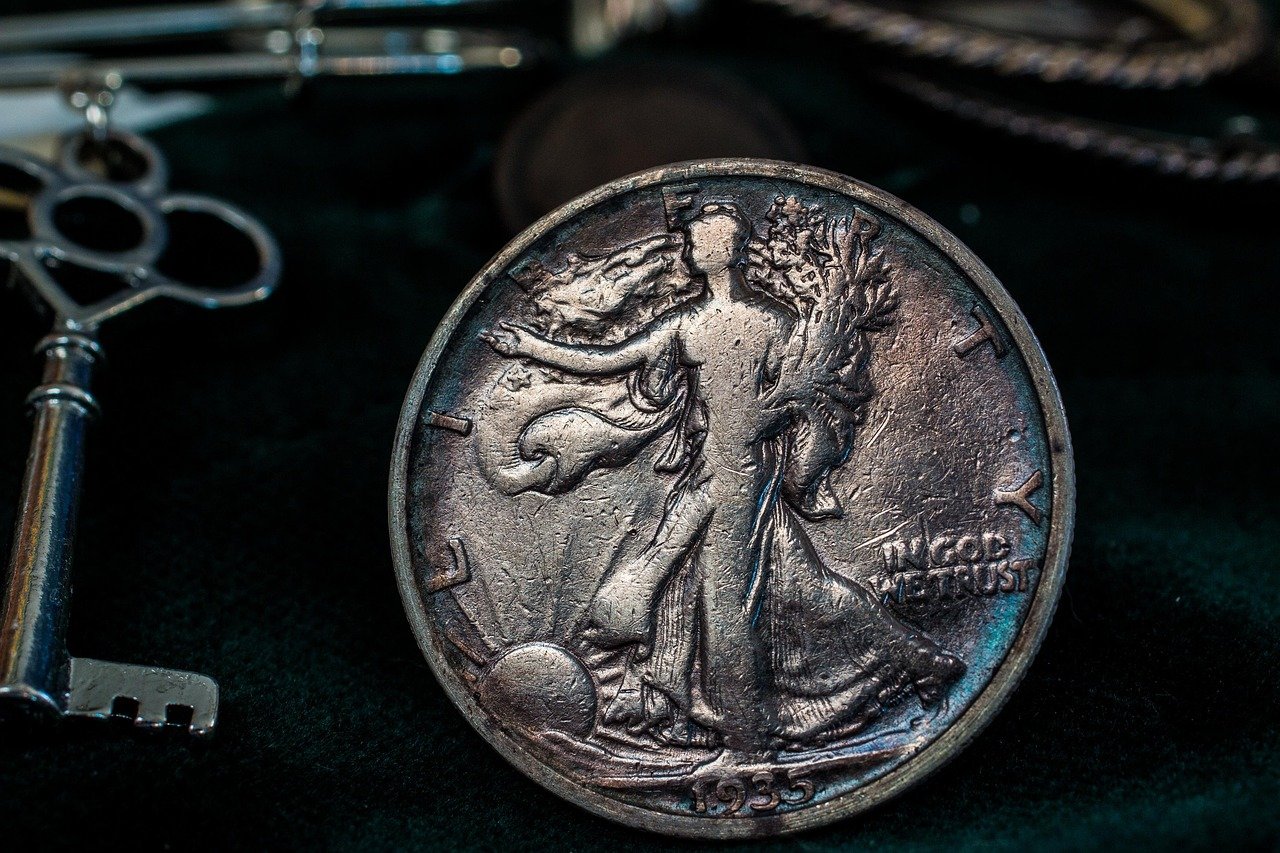
Its stunning design, created by Adolph A. Weinman, remains one of the most beautiful coin engravings in U.S. history. The figure of Lady Liberty striding toward the rising sun captures a sense of freedom, hope, and resilience. Over the decades, it has become a treasured piece of American heritage and a tangible link to the past.
In this comprehensive guide, we’ll explore the history, design, numismatic value, and modern relevance of this iconic coin, while also covering essential tips for collectors and investors.
Walking Liberty: Historical Background
Introduced in 1916, the half dollar replaced the Barber design that had been in circulation since 1892. The U.S. Mint sought a fresh look to celebrate national pride and artistry, commissioning sculptors to submit new designs.
Adolph A. Weinman, a prominent sculptor of the time, won the honor. His vision of Lady Liberty walking confidently toward a rising sun perfectly embodied America’s spirit during an era of rapid change, industrial growth, and global engagement.
This coin was minted until 1947, after which the Franklin half dollar replaced it. Despite its discontinuation, it never faded from memory. In fact, its beauty was so revered that the U.S. Mint later revived the design for the American Silver Eagle bullion coin in 1986, keeping the legacy alive for modern investors.
Walking Liberty: Artistic Design and Symbolism
The design is widely regarded as one of the greatest achievements in American coinage. Let’s break down its features:
Obverse Details
- Lady Liberty: Draped in the American flag, she strides forward with strength and dignity.
- Olive branches: Symbolize peace and prosperity.
- Rising sun: Represents hope and a bright future.
Reverse Details
- American bald eagle: A powerful national emblem, perched on a mountain crag.
- Pine sapling: A nod to renewal and resilience.
- Bold inscriptions: “United States of America,” “E Pluribus Unum,” and the denomination.
Weinman’s artistry combined realism with symbolism, creating a timeless design that resonates with collectors even today.
Walking Liberty: Numismatic Significance
For coin collectors, the half dollar series holds immense appeal due to its artistry, historical context, and variety of mintages. Some highlights include:
- Low-mintage years: Certain issues, like the 1921 and 1938-D coins, are highly sought after.
- Condition rarity: Uncirculated or mint-state versions can command significant premiums.
- Historical context: These coins circulated during major U.S. events, including World War I, the Great Depression, and World War II.
Collectors value them not only for silver content but also for the stories they tell about early 20th-century America.
Walking Liberty: Bullion and Investment Value
The design’s revival in the American Silver Eagle bullion series marked a turning point for precious metals investing. The modern bullion coin, featuring Weinman’s classic obverse, is minted in one troy ounce of .999 fine silver.
Why investors appreciate it:
- Purity and trust: Backed by the U.S. government for weight and content.
- Liquidity: Easily bought and sold worldwide.
- Beauty: Combines artistry with tangible value.
While bullion versions are purchased primarily for silver content, collectors often pay premiums for special proofs, limited editions, or early release coins.
Walking Liberty: Collecting Strategies
For those interested in building a collection, here are some practical approaches:
1. Complete Date and Mint Set
Assembling one coin from each year and mint mark (Philadelphia, Denver, San Francisco) is a popular challenge.
2. Focus on Key Dates
Concentrating on rare years such as 1921, 1921-D, and 1938-D can build a high-value portfolio.
3. High-Grade Examples
Seek coins graded by third-party services (PCGS, NGC). Mint State (MS65 or higher) examples are prized.
4. Bullion and Commemoratives
Including modern bullion or commemorative strikes adds diversity to a collection.
Walking Liberty: Market Trends
The market for these coins has remained strong due to their dual appeal as both numismatic treasures and silver investments. Trends to note:
- Steady demand: Collectors value artistry, while investors seek silver content.
- Price fluctuations: Silver spot price directly impacts value.
- Auction results: Rare date mint-state coins often sell for thousands.
- Global interest: International collectors admire the design, boosting worldwide demand.
Walking Liberty: Grading and Authentication
Grading is critical for determining value. Professional services such as PCGS (Professional Coin Grading Service) and NGC (Numismatic Guaranty Corporation) use standardized scales.
- Good (G-4): Heavy wear, design details faint.
- Fine (F-12): Moderate wear, major details visible.
- Extremely Fine (XF-40): Light wear, sharp details.
- Mint State (MS-60 to MS-70): No circulation wear, pristine surfaces.
Authentication is equally vital, as counterfeit coins circulate in global markets. Trusted grading companies provide security and confidence for buyers.
Walking Liberty: Care and Preservation
Proper storage ensures coins maintain condition and value. Recommended methods include:
- Acid-free holders: Prevent chemical damage.
- Coin flips and capsules: Protect against scratches.
- Climate control: Avoid humidity and extreme temperature changes.
- Safe deposit boxes: For high-value or rare specimens.
Handling coins with cotton gloves also prevents oils from damaging the surface.
Walking Liberty: Case Study – The 1921 Half Dollar
The 1921 issue is one of the rarest and most desirable examples in the series. Due to limited mintage during a post-war economic downturn, far fewer were produced compared to surrounding years.
- Mintage: Just over 246,000 at the Philadelphia Mint.
- Current value: Even in lower grades, these coins can command hundreds of dollars. In mint state, prices can soar into the tens of thousands.
This rarity makes it a cornerstone for serious collectors.
Walking Liberty: Legacy and Cultural Impact
The coin’s enduring popularity highlights its cultural and historical importance:
- Adopted for modern bullion: Proof of timeless design.
- Artistic influence: Inspired other U.S. Mint creations.
- Cultural symbolism: Embodies freedom, optimism, and resilience.
- Global recognition: Widely considered one of the most beautiful coins ever minted.
It bridges the past and present, connecting collectors, investors, and historians alike.
Walking Liberty: FAQs
1. What makes this coin so popular among collectors?
Its combination of artistic design, historical context, and silver content makes it highly desirable in numismatics.
2. How do I know if my coin is valuable?
Check the date, mint mark, and condition. Rare dates like 1921 and 1938-D are especially valuable in higher grades.
3. Are bullion versions considered collectible?
Yes. While primarily investment products, proof editions and early releases are popular among collectors.
4. How should I store my coins?
Use acid-free holders or capsules, avoid direct handling, and store in a climate-controlled environment to preserve condition.
5. What is the connection between the half dollar and the Silver Eagle?
The U.S. Mint revived the original design for the Silver Eagle bullion coin in 1986, continuing its legacy.
6. Can I buy these coins directly from the U.S. Mint?
Original half dollars are only available through secondary markets, while modern bullion and proofs are sold through official Mint distributors.
7. Do silver prices affect coin values?
Yes. While numismatic factors matter, the intrinsic silver value also influences market prices.
Conclusion
The half dollar designed by Adolph A. Weinman remains one of America’s greatest numismatic treasures. From its origins in 1916 to its revival on modern bullion coins, it has captured the imagination of collectors and investors for over a century.
Whether you’re drawn by its artistry, its history, or its intrinsic silver value, this coin offers something timeless and meaningful. For those considering coin collecting or investing, adding one to your collection is both a financial and cultural decision worth making.
Ready to explore further? Consider starting with a reputable coin dealer or auction house to discover authentic specimens that suit your goals. The journey into numismatics is as rewarding as the coins themselves.